
We Share Robust Open Science to Public Space Renewal Practitioners
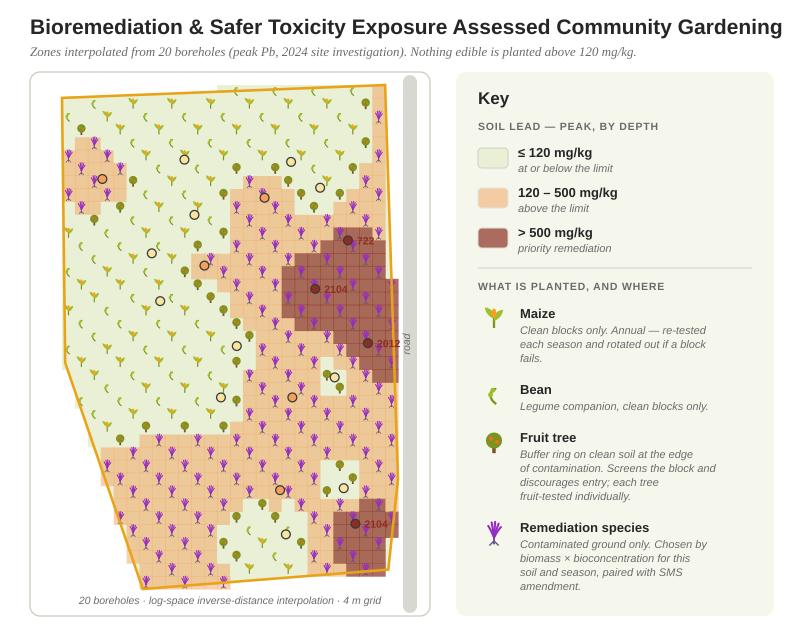
Our Mission: Renewing Mind, Renewing Earth

The world is facing the challenges of escalating global conflicts, with artificial intelligent augmented technologies, climate changes which threaten food and water security with the associated mental health complex traumas, addictions and migrations which can result from these conflicts and environmental stressors on both individuals and ethnic cultures.
To address these threats, we need a direction of science combined with a deeper philosophical understanding of spatial justice, that seeks to uncover objective truths of justice for all living beings that exist within the socio-ecological system. In other words, we must prevent genocides against living beings and ensure spatial justice at individual, ethnic and environmental levels when communities are integrating with other ethnicities and ecosystems. This is particularly important when psychological distress is high and conventional economic systems are not resolving the tensions within mind and body.
How can we start to create beautiful spaces which relax the tensions between mind and body to create narratives of coherent reality that are less traumatic and stressful?
Our 3 Projects to Advance a New Age of Sustainability
Same sites, same open data, three different questions. Start with the one that is already yours.
SDG 11.7 · Safer Public Spaces
Project 1: A Social Prescribing Framework for Safe Public Space Community Gardens
Offer safe public space for renewed mind and body.
A clinician can refer someone to a garden instead of a pharmacy. We run the gardens at the hours people are actually free, and we count what changes — in the person, and on the street outside. Target 11.7 already measures harassment by place of occurrence, so a single garden can report against a global indicator.
Best if you need measured health and safety outcomes from a public space.
SDG 9 · Circular Bioeconomy
Project 2: A Citizen Science Integrated AI Intelligent Tool for Experimental Open Science
Experiment and share how to clean soil and grow more food.
Contaminated ground is the cheapest land in any city and the hardest to use. The tool helps you design the planting trial: which species draw metals and hydrocarbons out of the soil, which food grows safely in clean beds alongside, and what you can legally sell. Every trial design is shared, so the next site starts further along than yours did.
Best if you have a contaminated site and need a trial design you can defend to a regulator, a landowner or an ethics committee.
SDG 15 · Life on Land
Project 3: A “Digital Twin” iNaturalist Integrated AI Intelligent Tool for Regeneration
Innovate digital sensing for regenerative agriculture practice.
Planting guides assume a climate that has stopped existing. Site sensors build a live model of your soil and microclimate, so you know which species hold through flood, frost and drought before you commit a season to them. Every species is logged on iNaturalist, so you do not have to take our word for it.
Best if you are choosing species for a site whose weather is changing faster than the planting guides.
Not sure which is yours? All three run on the same sites and share the same data. Any door leads to the others.
From Our Blog
The projects, written up as we go: what we bought, what we measured, and what we learned.
Blog · Notes from the Ground
Follow the Work as It Grows
Real soil checks, real costs, with the working shown.
Each post follows one step of the projects in a real garden: the kit we chose and what it cost, the method we followed, the result, and what we would change next time. Every post links back to its project and its sources, so you can repeat the check on your own ground and compare.
Best if you want to try a soil check yourself, step by step, before committing to a full trial.
Latest posts